International Fixture Clashes Open Doors for Multi-Sport Accumulator Strategies
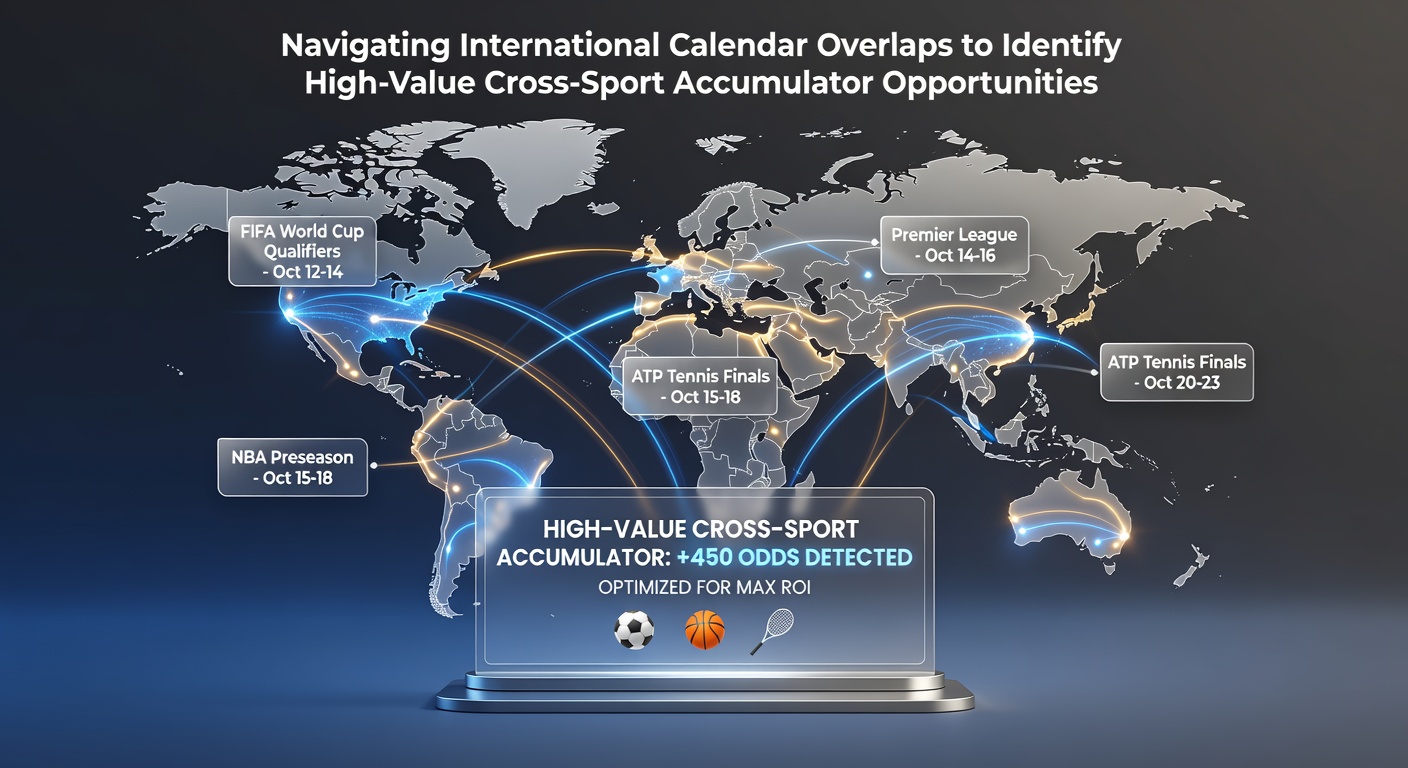
International sports calendars create frequent overlaps that allow bettors to combine selections from different disciplines into single accumulator wagers, and data from scheduling databases shows these alignments occur regularly throughout the year. Observers note that June 2026 features several key fixtures including the start of the FIFA World Cup alongside ATP and WTA grass-court events plus ongoing basketball league finals in multiple regions, which produces simultaneous markets across football, tennis, and basketball.
Identifying Calendar Overlaps
Those who track global sports schedules compile data from governing bodies to spot periods when events from separate sports run concurrently, and this approach reveals windows where accumulator construction can draw on independent outcomes. Research indicates that June often brings together European football tournaments with North American basketball playoffs and Australian winter racing meets, creating layers of available markets within a compressed timeframe. Experts have observed that bettors who map these periods in advance can select from wider odds boards rather than limiting selections to one sport.
Figures from industry reports reveal that accumulator volume rises during such overlaps because participants combine shorter-priced favourites from one discipline with longer-priced selections from another. According to data compiled by the European Gaming and Betting Association, cross-sport combinations represented a growing segment of multi-leg bets in recent seasons, and similar patterns appear in Australian regulatory filings that track wagering trends across codes.
Building Accumulators Across Disciplines
Accumulator strategies that span sports require verification of start times and market availability because events in different time zones finish at staggered intervals. Bettors frequently pair a tennis match result scheduled for afternoon play in Europe with an evening basketball total from North America, and the staggered timing allows progressive stake management as earlier legs settle. Data shows that successful combinations often rest on statistical models that normalise performance metrics across sports rather than relying on direct comparisons.
One study released by Canadian researchers examined historical results from overlapping tennis and ice hockey fixtures and found measurable correlations between player fatigue indicators and team scoring rates during congested periods. Those findings suggest that calendar pressure can influence outcomes in predictable ways when multiple high-stakes events occur within days of each other.
Data Sources and Market Availability
Regulatory bodies in several jurisdictions publish aggregated wagering statistics that highlight which market types see increased activity during multi-sport periods, and these reports help identify where liquidity concentrates. Bettors consult official competition calendars from bodies such as the International Tennis Federation and national basketball associations to confirm fixture dates before constructing accumulators. Industry analysts note that real-time schedule updates become essential in June because weather or broadcast adjustments can shift start times across continents.
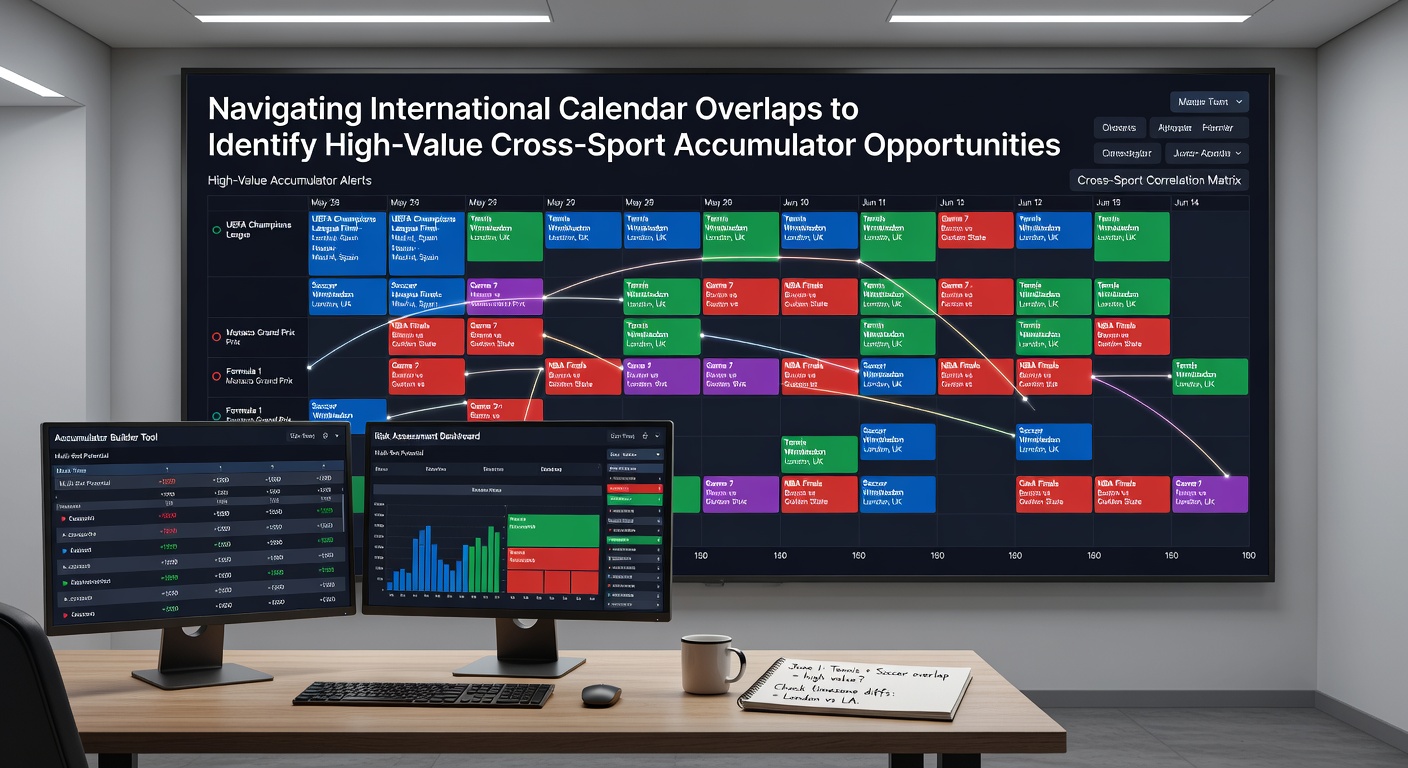
Academic papers on sports analytics have examined whether performance data from one sport transfers usefully to another when constructing predictive models, and results remain mixed depending on the variables chosen. Observers point out that external factors such as travel demands and recovery windows appear more consistently across codes than sport-specific skill metrics, which supports the case for including schedule density in accumulator research.
Practical Considerations for June 2026
June 2026 brings the opening matches of the FIFA World Cup in the United States, Canada, and Mexico at the same time as several major tennis tournaments on grass and the conclusion of several basketball league seasons. Those overlaps create opportunities to combine football match results with tennis set totals or basketball point spreads within the same accumulator ticket. Market makers adjust limits and odds in response to anticipated volume, and historical patterns indicate that cross-sport products receive dedicated promotions during these windows.
Verification of event status remains critical because postponements or venue changes can invalidate selections after an accumulator has been placed. Bettors therefore monitor official channels from each sport's governing body and cross-reference time zones to ensure all legs remain active until settlement.
Conclusion
Calendar overlaps across international sports provide structured opportunities for accumulator construction when participants align fixture dates with available markets. Data from regulatory reports and academic studies demonstrates that these periods occur predictably and influence both volume and market behaviour. Those who systematically track schedules from multiple disciplines can access a broader range of selections while maintaining independent outcome probabilities within each leg. Continued growth in digital scheduling tools and real-time data feeds supports more precise identification of these windows in future seasons, including the notable alignments expected in June 2026.