Tracking Athletic Recovery Patterns Through Worldwide Competition Schedules for Informed Multi-Stage Betting Strategies
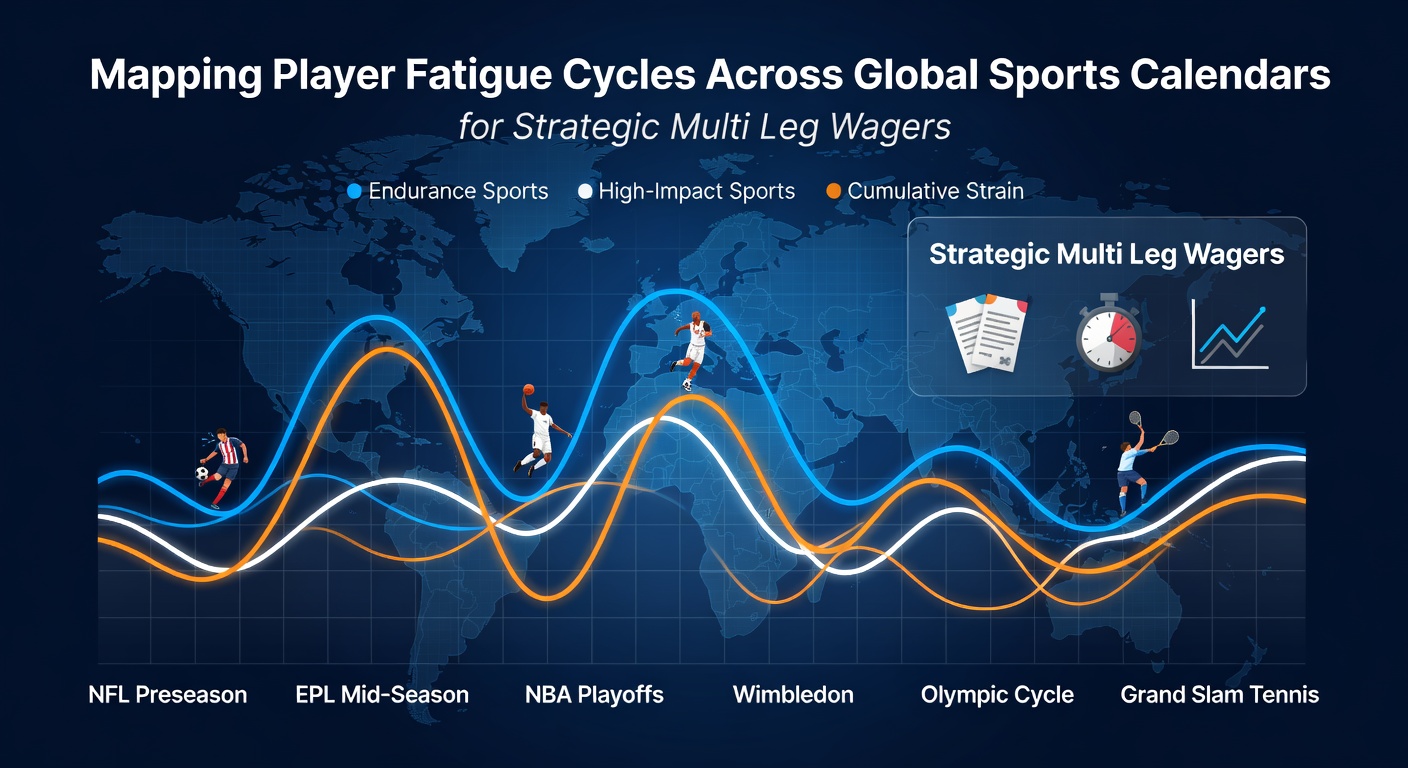
Global sports calendars pack intense periods of competition into tight windows, creating measurable fatigue cycles that affect athlete output in predictable ways according to performance data from major leagues. Researchers at institutions like the University of Queensland have documented how consecutive matches without adequate recovery time lead to declines in speed, accuracy, and decision-making across tennis tours, football leagues, and basketball seasons. These patterns become particularly relevant when bettors construct multi-leg wagers that span several events over days or weeks, since accumulated fatigue often shifts probabilities in later stages of a tournament or fixture list.
May 2026 brings overlapping schedules that highlight these dynamics, with the French Open clay-court swing running alongside final Premier League matches, NBA playoff pushes, and early preparations for summer international football tournaments. Data from past seasons shows that players who compete in back-to-back high-stakes matches during this month frequently experience measurable drops in serve percentages in tennis or shooting efficiency in basketball, while football squads rotating through congested midweek and weekend fixtures show increased injury rates that alter team selections.
Identifying Key Fatigue Windows in Major Sports Calendars
Tennis players face some of the most compressed schedules because the ATP and WTA tours run almost year-round with mandatory events feeding into Grand Slams, yet studies reveal that the period between the Australian Open in January and the clay-court swing in April produces the steepest performance declines for those who reach deep in both. Observers note that athletes logging more than 20 matches in a 10-week stretch show statistically significant reductions in first-serve points won, a metric tracked across multiple seasons by tournament statisticians.
Football calendars add another layer because domestic leagues, cup competitions, and European ties create clusters of games with minimal rest, especially for clubs that advance deep into Champions League or Europa League knockout stages. Figures from European football associations indicate that teams playing three matches in eight days during late April and early May record higher rates of second-half concessions, a trend that repeats across several top divisions. Basketball follows a similar pattern during the NBA regular season stretch run and playoffs, where back-to-back games correlate with lower three-point percentages according to league tracking systems.
Using Calendar Data to Map Recovery Cycles
Performance analysts combine fixture lists with travel logs and match-minute totals to build fatigue indices that forecast when individual athletes or teams are likely to underperform relative to historical averages. These models incorporate factors such as time-zone crossings, surface changes, and the physical demands of different positions or playing styles, producing outputs that reveal recurring dips rather than random variance. One study published in the Journal of Sports Sciences examined three consecutive seasons of elite tennis and found that players crossing hemispheres without a full week off exhibited a 7-12 percent drop in rally endurance metrics during the first week of the next event.
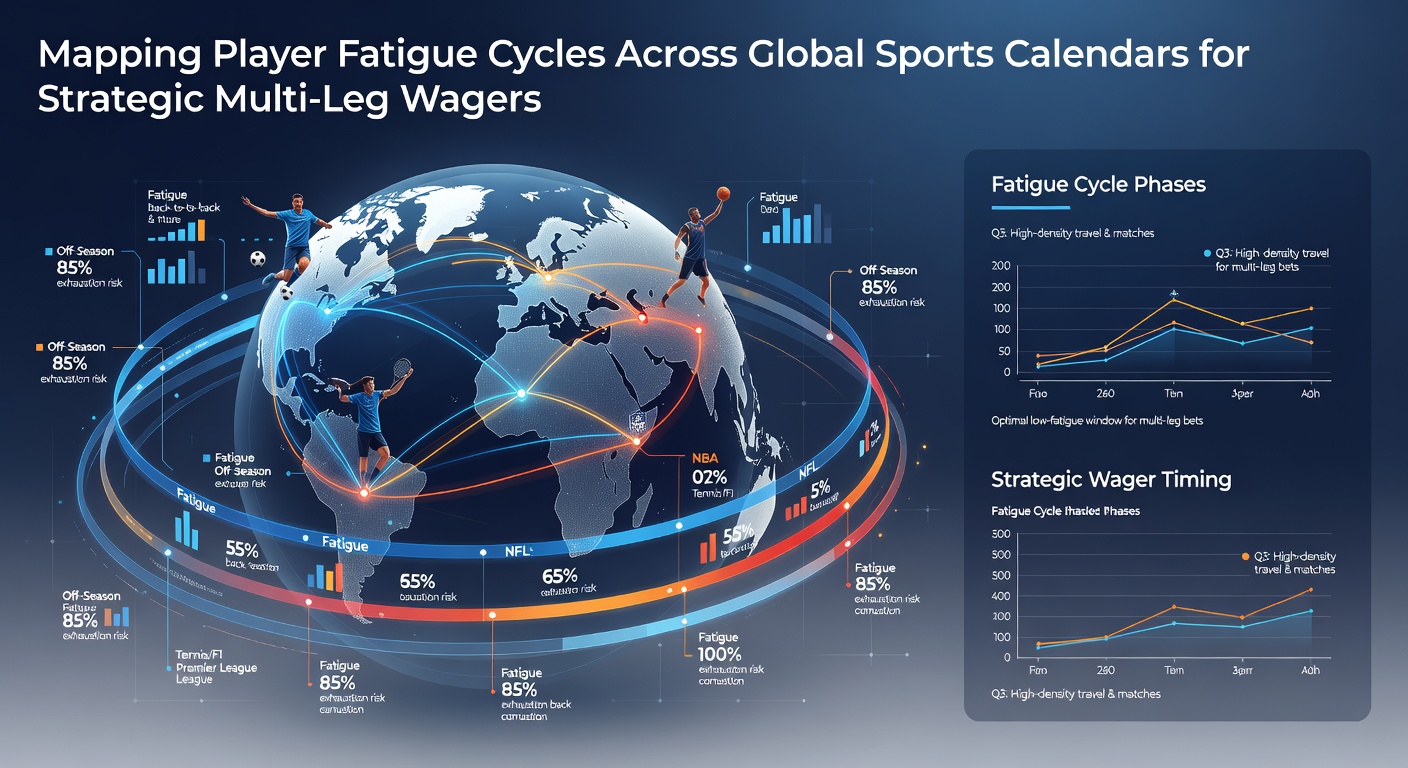
Multi-leg wager construction benefits when these indices are layered onto betting markets that extend across several days, because later legs often involve competitors who have already expended significant physical resources. Horse racing calendars intersect with these patterns during major festivals, where trainers sometimes note that horses returning from long-distance travel on tight schedules show reduced closing speeds in later races on the card, a phenomenon recorded in official form guides. Observers tracking accumulator payouts across mixed-sport bets have seen correlations between these documented recovery gaps and shifts in expected outcomes, particularly when selections include players or teams entering the final stages of a tournament block.
Integrating Multiple Sports into Fatigue-Based Approaches
Strategic mapping becomes more robust when bettors cross-reference calendars rather than treating each sport in isolation, since May 2026 features simultaneous peaks in tennis, football, and basketball that create shared fatigue pressure points for athletes who participate in multiple codes or for support staff managing overlapping rosters. Academic papers from Canadian sports research centers have outlined methods for weighting recovery time against match importance, producing formulas that adjust probability estimates for later legs in a parlay or accumulator. These adjustments account for the fact that a football team contesting a title-deciding match after midweek European travel often fields a rotated squad, altering both lineups and tactical outputs in measurable ways.
Industry reports from bodies such as the Australian Sports Commission highlight how data-driven scheduling awareness helps identify value in markets that price recent form without fully incorporating cumulative load. When constructing multi-leg wagers, those who review full-season minute distributions alongside upcoming fixture density can isolate situations where fatigue effects are likely to compound, such as a tennis player contesting both singles and doubles during a Masters 1000 event followed immediately by national-team duty in football.
Conclusion
Mapping player fatigue cycles across global sports calendars supplies a structured framework for evaluating multi-leg wager selections by focusing on documented recovery timelines rather than isolated match results. Data from multiple seasons and sports demonstrates consistent patterns where compressed schedules correlate with performance shifts, allowing those who review fixture density, travel demands, and historical outputs to align selections with periods of elevated or reduced capacity. As calendars for 2026 continue to evolve, ongoing collection of performance metrics will refine these models further, supporting more precise integration of fatigue considerations into strategic betting decisions across tennis, football, basketball, and related disciplines.